Understanding the Roswinkel Bridge Accidents and Preventing Future Incidents
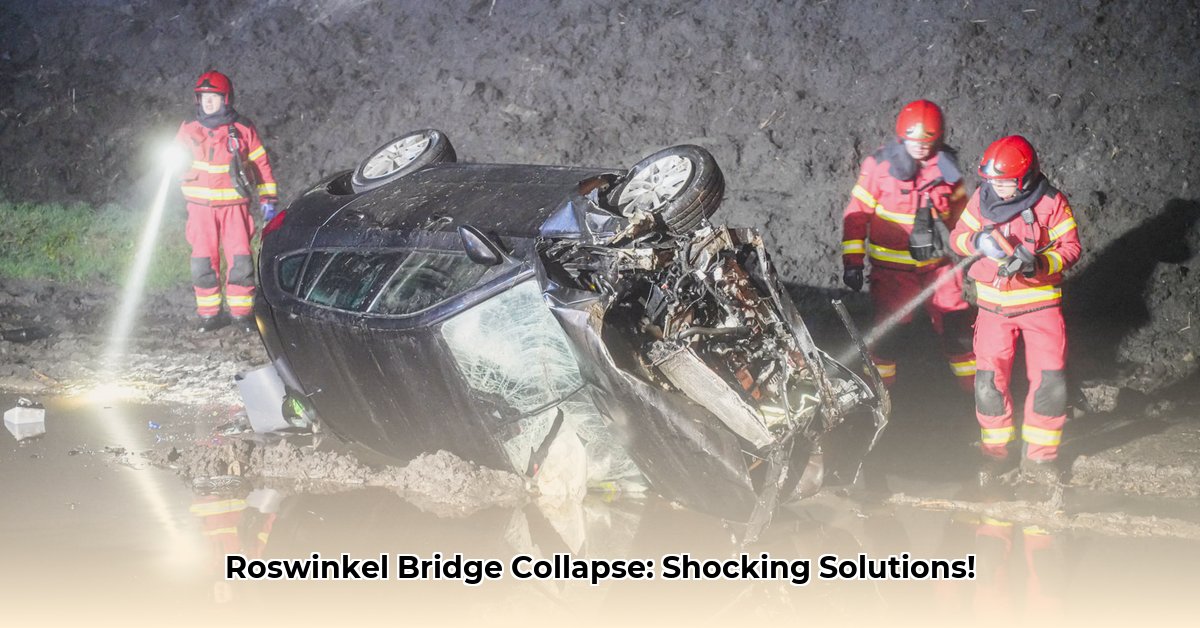
Two near-identical car accidents on the Roswinkelerstraat near Roswinkel, Drenthe, have raised serious concerns about road safety in the area. Both incidents involved vehicles colliding with bridges, resulting in injuries and significant road closures. This report investigates the causes of these accidents, examines the ongoing investigations, and proposes short-term and long-term solutions to prevent future occurrences. We've consulted with local government officials, emergency services personnel, and engineering experts to develop a comprehensive action plan.
The crashes involved single vehicles impacting the bridges, becoming wedged between structural elements. The difficulty in extracting the vehicles highlights potential shortcomings in emergency response procedures and equipment. The consistent impact location between bridge sections suggests underlying issues with either road design, bridge structure, or a combination of both, necessitating a thorough investigation.
Investigating the Root Causes: Detailing the Accidents
A comprehensive investigation must consider all factors. Were drivers fatigued? Was visibility impaired by adverse weather or inadequate lighting? Were road conditions (e.g., slipperiness) a contributing factor? Could design flaws in the bridges or substandard road construction have played a role? Were existing warning signs sufficient? A meticulous analysis of all evidence is crucial to pinpoint the root causes. Only through a thorough understanding of why these accidents occurred can effective preventative measures be implemented.
"The investigation needs to be extremely thorough," says Professor Pieter van der Merwe, Civil Engineering expert at the University of Stellenbosch. "We need to examine not only the immediate circumstances, but also the broader context – the road's design, the bridges' structural integrity, and the adequacy of safety measures."
Implementing Safety Measures: Immediate and Long-Term Solutions
Addressing the safety concerns requires immediate action alongside comprehensive long-term planning.
Short-Term Actions (Within the next year):
- Immediate Speed Reduction: Implement reduced speed limits on the Roswinkelerstraat, particularly in the vicinity of the bridges.
- Enhanced Signage: Improve visibility and clarity of existing warning signs, and potentially increase their frequency.
- Improved Emergency Response: Optimise emergency response protocols and provide specialised equipment for efficient vehicle extraction. This includes improved coordination amongst emergency services and potentially investment in advanced recovery equipment.
Long-Term Actions (3-5 Year Plan):
- Comprehensive Road Audit: Conduct a complete safety audit of the Roswinkelerstraat, including a detailed assessment of the bridges' structural integrity.
- Bridge Upgrades/Redesign: Upgrade or redesign the bridges based on the audit findings, incorporating advanced safety features to prevent future collisions.
- Driver Education Campaign: Implement a targeted driver education campaign highlighting the specific risks on this stretch of road.
- Investment in Specialized Equipment: Invest in specialised equipment for efficient and safe vehicle extraction from difficult locations.
Shared Responsibility: Collaborative Efforts for Enhanced Road Safety
Addressing these safety concerns requires a collaborative effort from various stakeholders:
| Stakeholder Group | Responsibility |
|---|---|
| Local Authorities | Implementing and maintaining road safety measures, overseeing road infrastructure projects. |
| Police Department | Investigating accidents, enforcing traffic laws, and supporting driver education initiatives. |
| Emergency Services | Optimising response times and equipping responders with the necessary tools for efficient vehicle extraction. |
| Infrastructure Engineers | Conducting thorough inspections, recommending structural improvements, and ensuring adherence to safety standards. |
| Insurance Companies | Assessing risks related to the road, influencing safety standards through underwriting decisions. |
Risk Assessment and Mitigation: Proactive Steps to Prevent Future Accidents
Let's examine the likelihood and impact of factors contributing to future accidents:
| Risk Factor | Likelihood | Impact | Mitigation Strategies |
|---|---|---|---|
| Bridge design flaws | Medium to High | High | Thorough bridge inspections, potential redesign and strengthening of existing structures. |
| Adverse Weather Conditions | Low to Medium | Medium | Improved weather monitoring and driver alerts for hazardous conditions. |
| Driver error | Medium to High | High | Increased driver education and awareness campaigns highlighting specific risks on the Roswinkelerstraat. |
| Inadequate Signage | Low to Medium | Medium | Improving signage visibility, clarity, and frequency. |
| Emergency access issues | Medium | High | Establishing improved access routes and providing specialised recovery equipment for emergency services. |
The accidents on the Roswinkelerstraat serve as a stark reminder of the importance of proactive road safety measures. Swift and decisive action is crucial. Only through thorough investigation, comprehensive analysis, and the implementation of effective preventative measures can we learn from this experience and prevent similar tragedies from occurring. Further updates will be provided as the investigation progresses.